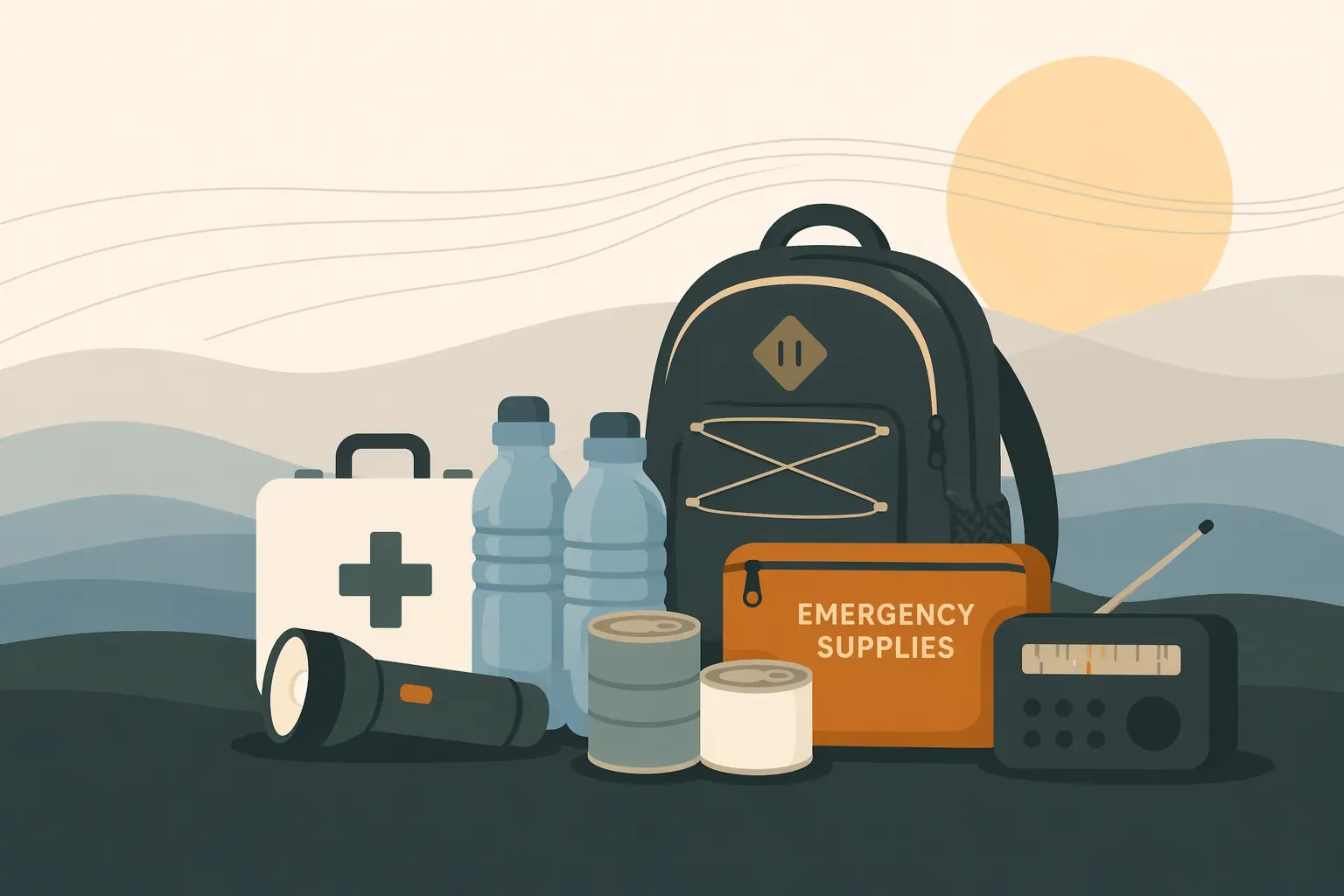
Kit guides
The main preparedness library. Every kit includes the full guide plus its printable checklist.
If you live on the Gulf or Atlantic coast, hurricane season is part of your calendar. This site covers the preparation piece: what to pack, what to understand, and where to start.
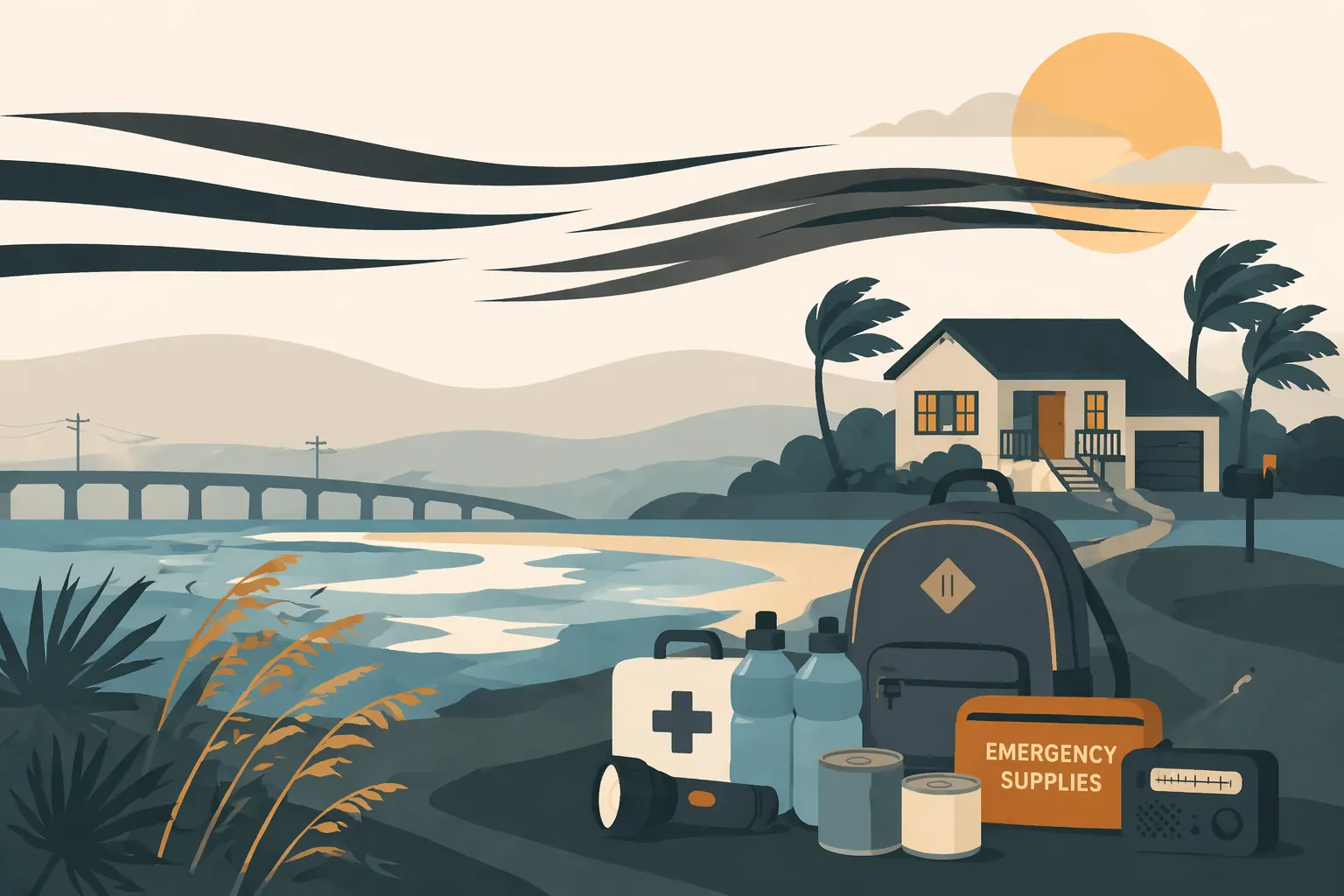
Coastal guides
Local risk changes the standard kit. Choose a regional guide for the agencies, hazards, and additions that matter where you live.
2026 season update
This is not a live tracker.
This report is updated by hand and can be hours out of date. Do not use it for evacuation, shelter, or timing decisions. Get current information from:
Updated October 10 at 10 a.m. CDT: the Weather Prediction Center's Advisory 16 places Post-Tropical Cyclone Isaias about 50 miles south of Birmingham, Alabama, with maximum sustained winds of 35 mph. The system is moving north-northwest at 10 mph and is expected to turn northeast tonight into Sunday. Flood Watches cover portions of the Southeast and southern Appalachians; a High Wind Warning covers northeast Alabama, northern Georgia, and the southern Appalachians, with Wind Advisories across much of the remaining Southeast.
Rainfall totals of 3-6 inches, with localized amounts up to 10 inches, are possible from northeast Georgia into the western Carolinas and from the upper South Carolina coast into eastern North Carolina. Flash, urban, and river flooding is possible, with considerable impacts and landslides possible in the southern Appalachians. A couple of tornadoes are possible today across eastern Georgia and the Carolinas, and swells may produce life-threatening surf and rip currents along much of the Gulf coast this weekend. Check your local National Weather Service office for current warnings and forecasts.
It's about care. You prepare because you have people, pets, medications, documents, and routines worth protecting. A hurricane kit is not panic shopping. It's a set of decisions made early enough that landfall doesn't get to make them for you.
Most hurricane content is either frightening or useless. Federal checklists with all the warmth of a legal disclaimer. Affiliate roundups where every recommendation earns a commission. This site is neither: plain-language guidance for Gulf and Atlantic coast households, written by someone who actually thought it through.
No ads. No affiliate links. Just specific guidance, printable checklists, and state pages you can send to someone before a storm is on the map.
Two ways in: start with the coastal guide for your state if you want to understand your local risk first, or go straight to the kit library if you just need a list.
The main preparedness library. Every kit includes the full guide plus its printable checklist.
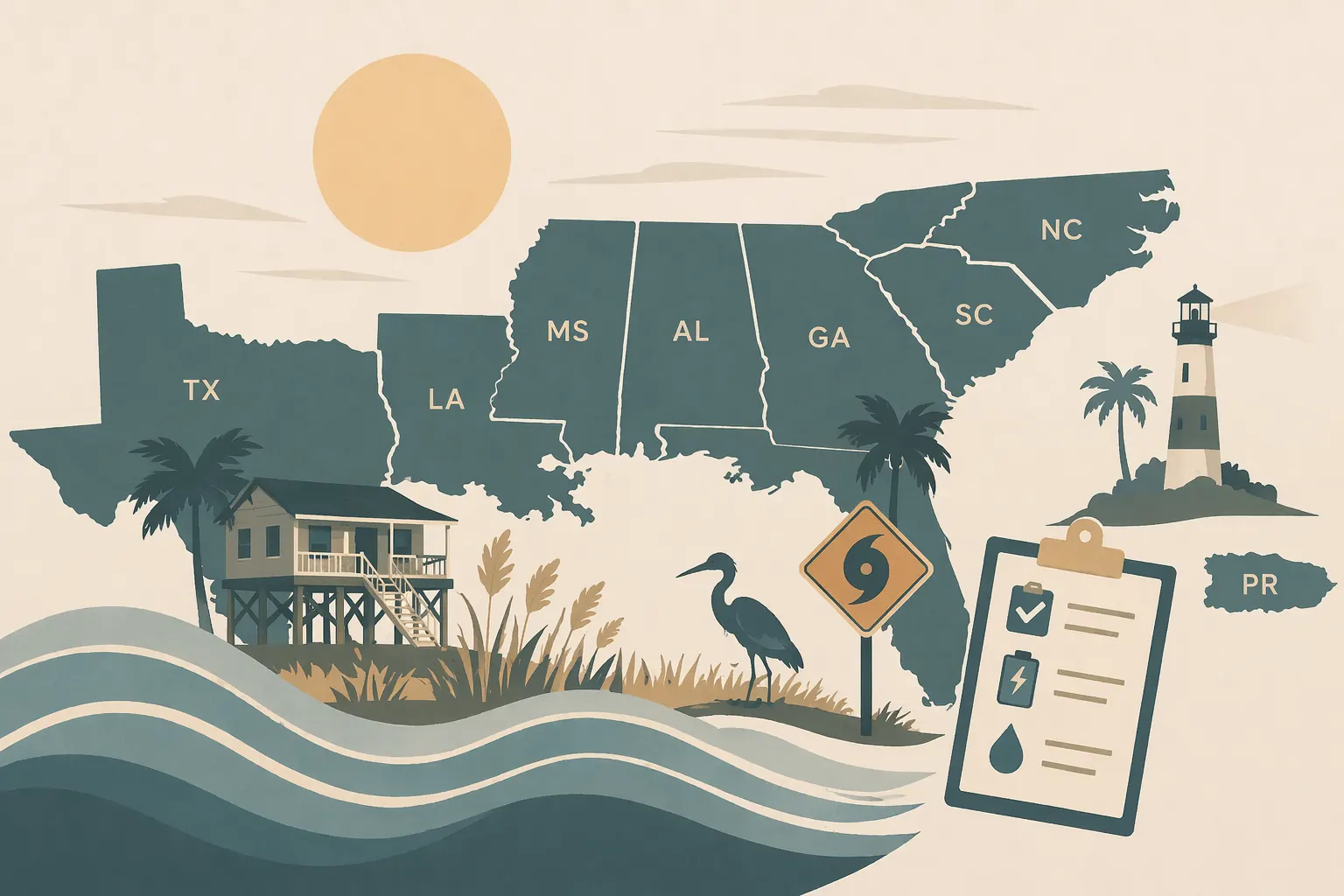
Use the geography first: local risk, regional supply additions, and the official sources to bookmark before the season.
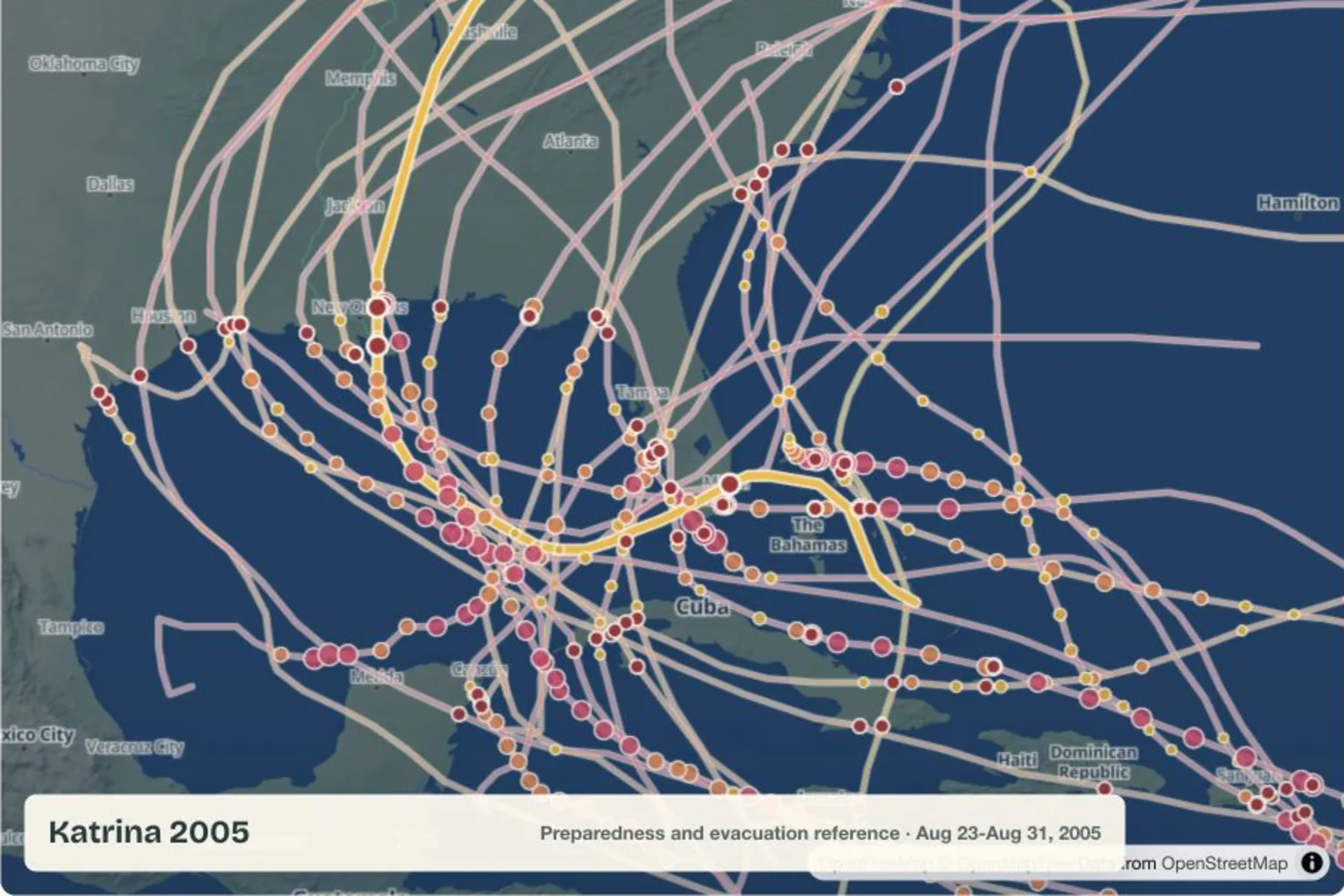
Compare selected historical Atlantic hurricane tracks from NOAA/NHC best-track data.
Support this site
No ads. No affiliate links. If this made your hurricane prep clearer, you can help keep the site free and up to date.
Editorial note
This page was reviewed on October 10, 2026. Hurricane Coast is an independent preparedness project with no ads or affiliate links.
This guidance is checked against Ready.gov, the National Hurricane Center, the National Weather Service, FEMA, and the state or local emergency management sources linked on the page.
Use this page to prepare early. When local officials issue evacuation orders, shelter instructions, weather alerts, or medical guidance, follow those primary sources first.